

Healthy Feeding Practices for Your Dog
- pfab80
- Nov 14, 2025
- 4 min read
Feeding your dog well is one of the kindest things you can do for your furry friend. It’s not just about filling their bowl; it’s about nourishing their body, supporting their energy, and helping them live a happy, healthy life. I’ve learned that when you focus on healthy feeding practices, you’re giving your dog the best chance to thrive. Let’s explore some simple, warm, and practical ways to feed your dog with love and care.
Understanding the Basics of Dog Nutrition
When it comes to feeding your dog, understanding the basics of nutrition is a great place to start. Dogs need a balanced diet that includes proteins, fats, carbohydrates, vitamins, and minerals. Proteins help build strong muscles, fats provide energy and keep their coat shiny, and carbohydrates give them fuel for playtime and walks.
It’s important to remember that dogs are not just small humans. Their nutritional needs are unique. For example, they require certain amino acids and fatty acids that only come from animal sources. So, feeding your dog a diet rich in quality meat or fish is essential.
Also, hydration is key. Fresh water should always be available. Dehydration can sneak up on dogs, especially in warmer months or after exercise. A well-hydrated dog is a happy dog.
Dog Feeding Tips for a Healthy Routine
Creating a feeding routine that fits your dog’s lifestyle is a wonderful way to keep them healthy and content. Here are some dog feeding tips that I find helpful:
Feed at the same times every day. Dogs love routine, and regular meal times help their digestion and behavior.
Measure the food. Overfeeding can lead to weight gain, while underfeeding can cause nutrient deficiencies. Use a measuring cup to keep portions consistent.
Choose high-quality food. Look for fresh, natural ingredients without fillers or artificial additives.
Avoid table scraps. Human food can upset your dog’s stomach and lead to bad habits.
Watch for allergies or sensitivities. If your dog shows signs of itching, digestive upset, or unusual behavior, consult your vet about possible food allergies.
Feeding your dog well is a daily act of kindness. It’s about more than just nutrition; it’s about building trust and showing love.
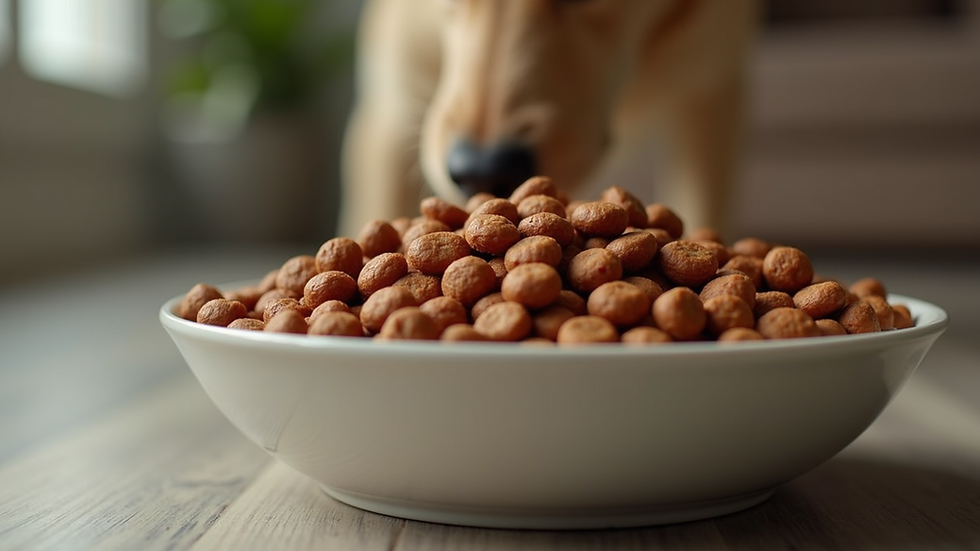
What is the Recommended Feeding Guide for Dogs?
Knowing how much and how often to feed your dog depends on several factors like age, size, activity level, and health status. Puppies, for example, need more frequent meals with higher calorie content to support their growth. Adult dogs usually do well with two meals a day, while senior dogs might need smaller, more frequent meals.
A general guideline is to feed your dog about 2-3% of their body weight daily, split into two meals. For example, a 50-pound dog might eat about 1 to 1.5 pounds of food per day. But this is just a starting point. Adjustments may be needed based on your dog’s energy needs and body condition.
It’s also helpful to consult feeding guides for dogs that provide detailed recommendations based on breed, weight, and lifestyle. These guides can be a great resource to tailor your dog’s diet perfectly.
Remember, every dog is unique. Regular check-ins with your vet can help you fine-tune your dog’s feeding plan to keep them in tip-top shape.
Choosing the Right Food: Fresh vs. Commercial
One of the biggest decisions you’ll make is what type of food to feed your dog. There are many options: dry kibble, canned food, raw diets, and fresh food. Each has its pros and cons.
Fresh food, like the kind offered by Pawfect Pantry, is made with high-quality, natural ingredients. It’s minimally processed and often free from preservatives and fillers. Many dogs find fresh food tastier and easier to digest. Plus, it’s a great way to ensure your dog gets real nutrition from real food.
Commercial kibble is convenient and shelf-stable but can sometimes contain lower-quality ingredients. If you choose kibble, look for brands that list meat as the first ingredient and avoid artificial colors or flavors.
Whichever you choose, the key is consistency and quality. Switching foods suddenly can upset your dog’s stomach, so introduce new foods gradually over a week or two.

Tips for Feeding Dogs with Special Needs
Some dogs have special dietary needs due to age, health conditions, or allergies. Older dogs might need food that supports joint health and is easier to digest. Dogs with allergies may require limited ingredient diets or hypoallergenic food.
If your dog has diabetes, kidney disease, or other health issues, your vet can recommend a diet that supports their condition. Sometimes, this means feeding prescription food or homemade meals tailored to their needs.
Here are a few tips for special needs feeding:
Consult your vet before making changes. Never change your dog’s diet without professional advice.
Monitor your dog’s weight and energy. Adjust portions and ingredients as needed.
Keep treats healthy and minimal. Avoid sugary or fatty snacks.
Stay consistent. Sudden changes can cause digestive upset.
Feeding a dog with special needs requires patience and care, but it’s deeply rewarding to see them thrive.
Encouraging Healthy Eating Habits
Sometimes, dogs can be picky eaters or develop bad habits like begging or overeating. Encouraging healthy eating habits is part of good feeding practice.
Stick to meal times. Avoid free-feeding (leaving food out all day).
Use feeding puzzles or slow feeders. These tools make mealtime fun and slow down fast eaters.
Avoid feeding from the table. This helps reduce begging and keeps your dog focused on their own food.
Praise and reward good behavior. Positive reinforcement works wonders.
Healthy eating habits help your dog maintain a healthy weight and enjoy their meals more. It also strengthens your bond as you share these moments together.
Feeding Your Dog with Love and Care
Feeding your dog is more than a routine task. It’s a chance to show your love and care every day. When you choose fresh, nutritious food and follow a thoughtful feeding plan, you’re giving your dog the gift of health and happiness.
Remember, every dog is different. What works for one might not work for another. Be patient, observe your dog’s reactions, and don’t hesitate to seek advice from professionals. Your dog’s well-being is worth every effort.
By embracing these healthy feeding practices, you’re helping your dog live their best life - full of energy, joy, and wagging tails.
Happy feeding!


Comments