

Guide to Feeding Your Dog Fresh, Nutritious Food
- pfab80
- Dec 8, 2025
- 5 min read
Updated: Mar 4
The Importance of Dog Feeding Tips for a Healthy Pup
Feeding your dog properly is more than just a daily chore. It’s a way to show love and care that directly impacts their well-being. When dogs get the right nutrition, they have more energy, better digestion, and stronger immune systems. On the other hand, overfeeding or underfeeding can lead to issues like obesity, malnutrition, or digestive troubles.
I always remind myself that dogs, like people, need balanced meals tailored to their size, age, and activity level. For example, a young, active dog will need more calories and protein than a senior dog who spends most of the day resting. Paying attention to these details helps me keep my dog healthy and happy.
Here are a few reasons why following dog feeding tips is so important:
Maintains a healthy weight: Prevents obesity and related diseases.
Supports digestion: Proper portions reduce upset stomachs.
Boosts energy levels: Balanced meals fuel daily activities.
Promotes a shiny coat and healthy skin: Good nutrition shows on the outside.
Prevents nutrient deficiencies: Ensures all essential vitamins and minerals.
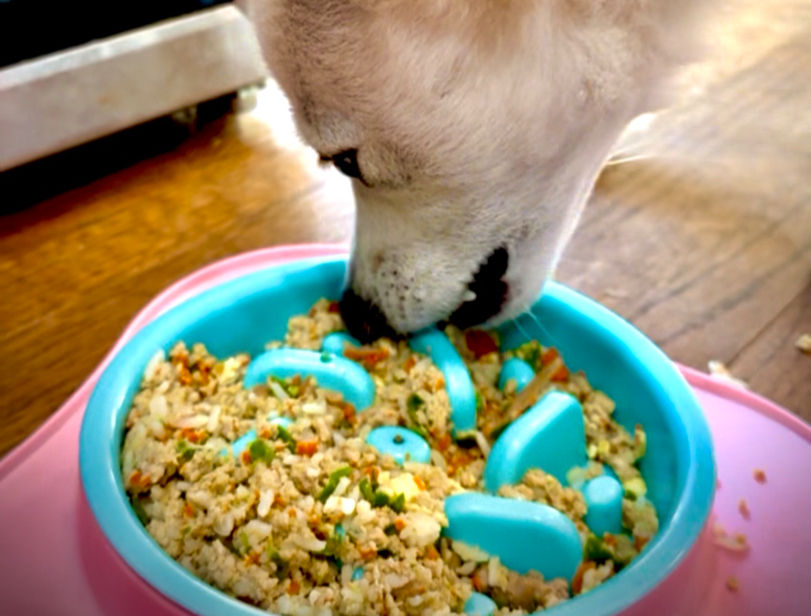
How Feeding Guides Help You Feed Your Dog Right
Feeding guides are like a roadmap for dog owners. They provide clear instructions on how much and how often to feed your dog based on their unique needs. I find these guides incredibly helpful because they take the guesswork out of feeding. Instead of wondering if I’m giving too much or too little, I can follow a trusted plan.
One of the best things about feeding guides is that they often include tips on choosing the right type of food. Whether you prefer fresh, homemade meals or high-quality commercial dog food, a good guide will help you balance proteins, fats, and carbohydrates. This balance is key to keeping your dog’s body functioning well.
What is the Recommended Feeding Guide for Dogs?
Understanding the recommended feeding guide for dogs is essential for any pet owner. Typically, feeding guides suggest dividing your dog’s daily food intake into two or three meals. This helps with digestion and prevents overeating. For example, a medium-sized dog might need about 2 to 3 cups of food per day, split into two meals.
The guide usually considers factors like:
Weight: Larger dogs need more food.
Age: Puppies require more frequent meals and higher calories.
Activity level: Active dogs burn more energy and need more fuel.
Health conditions: Some dogs need special diets or portion adjustments.
It’s also important to measure food portions carefully. Using a standard measuring cup or a kitchen scale can help you avoid overfeeding. I keep a small notebook to track my dog’s weight and adjust portions as needed. This way, I can catch any changes early and keep my dog in great shape.

Practical Tips for Following Dog Feeding Tips Every Day
Sticking to feeding guides can feel overwhelming at first, but with a few simple habits, it becomes second nature. Here are some practical tips I use to make feeding time smooth and stress-free:
Set a feeding schedule: Feed your dog at the same times every day. This routine helps regulate their digestion and appetite.
Measure food portions: Always use a measuring cup or scale to ensure accuracy.
Choose quality food: Opt for fresh, nutritious options that suit your dog’s needs.
Avoid free feeding: Leaving food out all day can lead to overeating.
Watch for changes: Monitor your dog’s weight and energy levels regularly.
Consult your vet: If you’re unsure about portions or diet, ask a professional.
By following these tips, I’ve noticed my dog feels more energetic and less prone to tummy troubles. It’s a small effort that pays off in big ways.
How Proper Feeding Supports Long-Term Dog Health
Feeding your dog according to a guide isn’t just about the here and now. It’s an investment in their long-term health. Dogs that eat well tend to live longer, healthier lives. They are less likely to develop chronic conditions like diabetes, heart disease, or joint problems.
I’ve seen firsthand how a balanced diet can improve a dog’s quality of life. My dog’s coat became shinier, and their mood lifted after switching to a feeding plan that matched their needs. Proper nutrition also supports brain function and keeps their immune system strong.
Remember, every dog is unique. What works for one might not work for another. That’s why it’s so important to use feeding guides as a starting point and adjust based on your dog’s response. Regular vet check-ups can help you fine-tune their diet for the best results.
Encouragement to Start Using Feeding Guides Today
If you haven’t already, I encourage you to explore feeding guides for dogs and see how they can improve your dog’s health. It’s a simple step that brings peace of mind and shows your dog how much you care. Feeding your dog well is one of the kindest things you can do.
Start by picking a trusted guide, measuring portions carefully, and sticking to a schedule. Watch your dog thrive as they enjoy meals that nourish their body and soul. Remember, good feeding habits build a foundation for a happy, healthy life together.
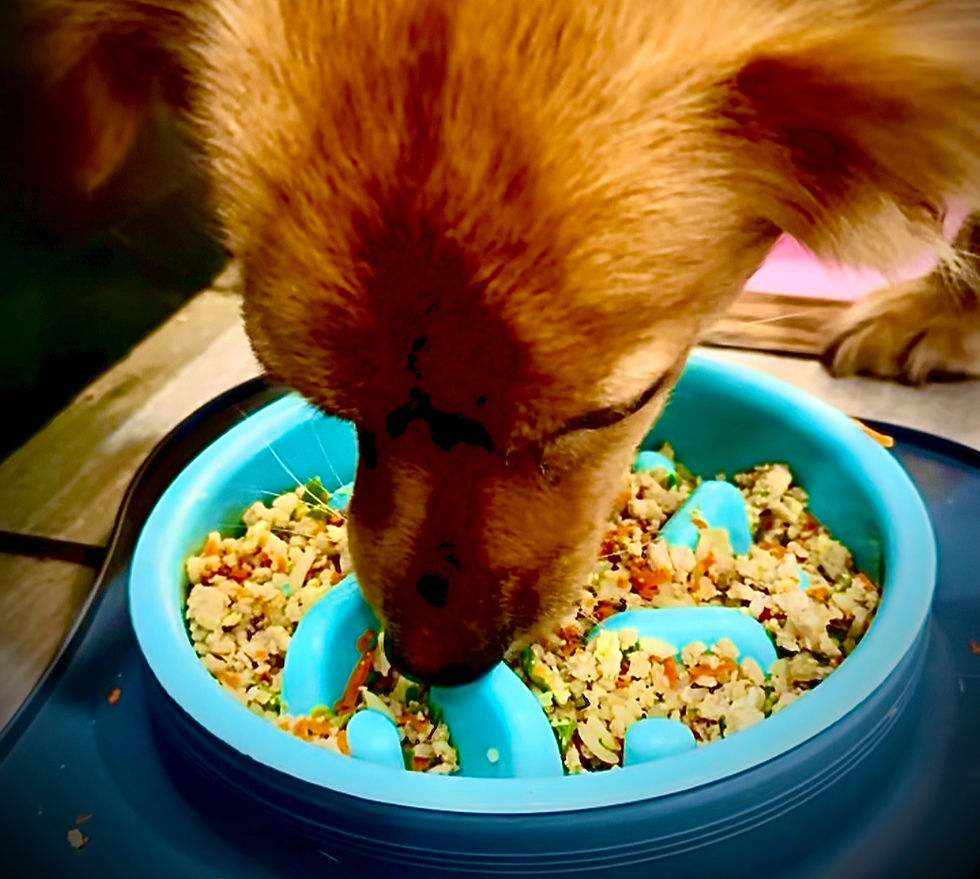
Feeding your dog right is a journey, and every small step counts. With a little patience and love, you’ll see the wonderful benefits unfold. Here’s to many joyful meals and wagging tails ahead!
The Benefits of Fresh Dog Food
Feeding your dog fresh food can make a significant difference in their overall health. Fresh food is often more nutritious than processed options. It contains fewer preservatives and additives, which can be harmful over time.
When I switched to fresh dog food, I noticed a remarkable change in my dog’s energy levels. They seemed more playful and engaged. Fresh food also tends to have better taste and aroma, making mealtime more enjoyable for your furry friend.
Additionally, fresh food can help with weight management. It’s easier to control portions and ensure your dog is getting the right nutrients without unnecessary fillers.
Conclusion: A Commitment to Your Dog’s Well-Being
In conclusion, committing to a proper feeding routine is one of the best gifts you can give your dog. By following feeding guides, choosing fresh food, and paying attention to your dog’s unique needs, you can ensure they lead a healthy, happy life.
Remember, every meal is an opportunity to show your love. Let’s make mealtime a joyful experience for our beloved companions. Together, we can create a healthier future for our dogs, one bowl at a time.


Comments